EHV-1 continues to challenge equine operations across the country, especially during high-movement seasons when horses travel for training, events, breeding, or medical care. During an EHV-1 Outbreak, isolation protocols and symptom monitoring become even more critical—but one area that still gets overlooked is the role of contaminated surfaces in spreading the virus.
Survival studies show that EHV-1 can linger on stall walls, trailers, gates, and equipment long after a horse has passed through—creating an invisible risk for the next animal that enters that space. That’s why forward-thinking equine professionals are shifting toward advanced, science-backed disinfection methods to strengthen their everyday biosecurity routines and reduce the likelihood of another EHV-1 Outbreak.
Why Surface Transmission Matters More Than Ever
Surface contamination doesn’t require direct horse-to-horse contact. A halter shared between horses, a freshly bedded stall that wasn’t properly disinfected, or a human touching infected surfaces and moving down the barn aisle can all contribute to an EHV-1 Outbreak—even when horses appear healthy.
Some common overlooked transmission points include:
• Stall bars and door handles
• Feed scoops and shared grooming tools
• Cross-ties, wash racks, and hitching posts
• Tack room handles and storage areas
• Portable panels and temporary show stalls
• Transport trailers & loading chutes
These areas are touched dozens of times per day, often by multiple horses and handlers. When barns rely only on manual spraying or wiping, these high-contact areas can easily be missed—especially the back sides, undersides, porous textures, and crevices where pathogens can cling and quietly fuel the next EHV-1 Outbreak.
How Electrostatic Disinfection Fits Into Modern Equine Biosecurity
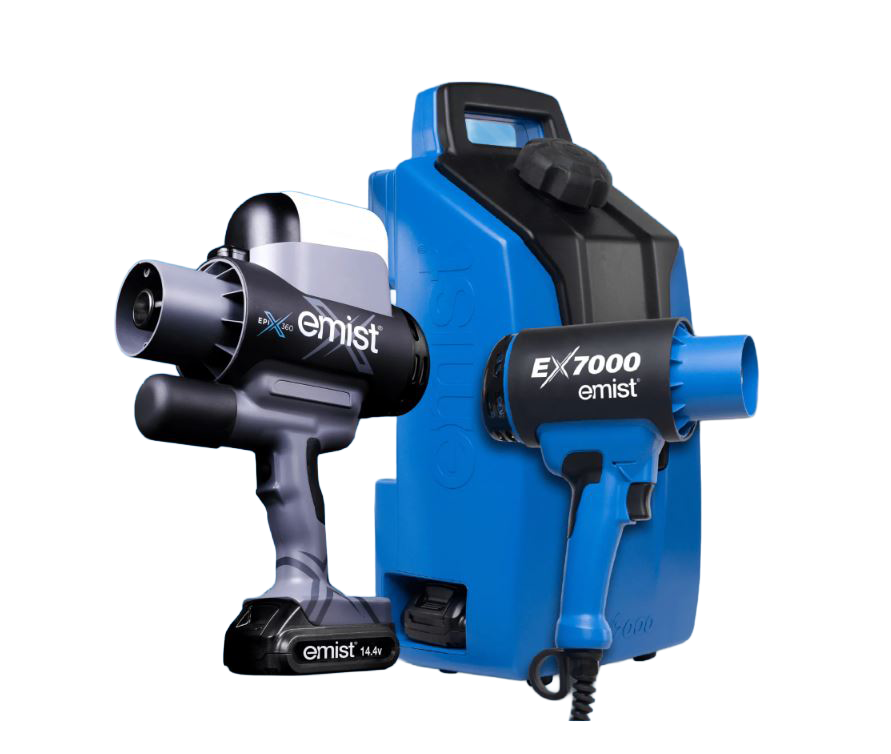
Electrostatic sprayers have become a preferred tool in veterinary clinics, animal health programs, university agriculture centers, and other high-risk environments because they deliver uniform, wrap-around coverage that traditional methods cannot match. During or after an EHV-1 Outbreak, many facilities adopt electrostatic disinfection as a long-term upgrade to their sanitation practices.
EMist’s patented electrostatic technology offers several advantages for equine facilities:
• Complete 360° Coverage on Every Pass
Charged droplets are magnetically attracted to surfaces, coating fronts, backs, underside angles, and hidden edges in a single motion—an essential capability when preventing or responding to an EHV-1 Outbreak.
• Consistent Results Regardless of the User
Whether the operator is new or experienced, the sprayer delivers an even, reliable application every time. This helps eliminate the inconsistencies that often weaken barn sanitation programs.
• Faster Treatment Between Horses
During EHV-1 risk periods, speed is critical. EMist covers large barns, aisles, and tack rooms 3–4x faster than manual methods, allowing staff to maintain thorough disinfection without compromising productivity.
• Less Chemical, Higher Efficiency
Up to 75% less disinfectant is required, minimizing overspray, reducing supply costs, and creating less chemical exposure for horses and staff.
• Compatibility with EPA-registered disinfectants for EHV-1
EMist sprayers pair with List N solutions, proven to inactivate the virus, ensuring high-level protection during an EHV-1 Outbreak or high-alert periods.
For barns looking to upgrade their safety standards, electrostatic disinfection adds a level of precision and reliability that manual spraying simply can’t achieve.
Practical Ways Barns Use EMist During EHV-1 Season
Many facilities integrate electrostatic disinfection into their daily or incident-response routines to reduce the risk of an EHV-1 Outbreak and reinforce biosecurity:
✔ Between horses entering the same stall
✔ Before and after vet visits, procedures, or treatments
✔ During shows or travel seasons with high horse turnover
✔ After hauling horses in shared trailers
✔ For routine sanitation of tack rooms, tools, and cross-ties
✔ When onboarding new horses from outside facilities
This approach minimizes environmental spread while giving barn staff confidence that every surface has been consistently and thoroughly treated.
Creating a More Resilient Barn Biosecurity Program
A strong EHV-1 prevention plan should combine multiple layers of protection. Each layer plays a key role in reducing the chance of an EHV-1 Outbreak:
• Isolation stalls for new or symptomatic horses
• Zero-sharing policy for equipment when possible
• Hand-washing and boot sanitizing stations
• Daily or per-use disinfection of high-touch areas
• Communication protocols for staff and boarders
• A reliable, repeatable disinfection system—like EMist
Electrostatic technology doesn’t replace good management practices. Instead, it strengthens them, ensuring surface disinfection is done thoroughly, quickly, and effectively—especially when responding to or preventing an EHV-1 Outbreak.
Why More Equine Professionals Choose EMist
From small family barns to large performance facilities, EMist is trusted because it brings hospital-grade disinfection to the equine world. Customers rely on EMist systems to:
• Reduce the risk of EHV-1 contamination
• Improve turnaround times between horses
• Support consistent sanitation routines
• Cut chemical usage and labor
• Improve coverage in hard-to-reach areas
When prevention is the priority, EMist helps barns stay open, safe, and fully operational—even during community outbreak periods. By incorporating EMist technology into everyday routines, facilities strengthen their defenses and reduce the likelihood that an EHV-1 Outbreak will disrupt their operations or put horses at risk.
Building Long-Term Confidence Through Proactive Prevention
Equine facilities that invest in proactive surface safety—not just reactive cleaning—see better long-term outcomes during any EHV-1 Outbreak scenario. By integrating electrostatic disinfection as part of the barn’s standard operating procedures, managers create a predictable routine that staff can follow even under the pressure of increased testing, quarantine requirements, or veterinary interventions. This consistency helps reduce anxiety among boarders, improves transparency during heightened biosecurity periods, and reinforces the facility’s commitment to health and safety. When horses, staff, and visitors trust the cleanliness of the environment, daily operations continue with greater confidence.
Beyond disease control, electrostatic disinfection supports the overall reputation and professionalism of an equine operation. During or after an EHV-1 Outbreak, horse owners pay close attention to how facilities respond—cleanliness, communication, and visible sanitation practices matter. Barns that maintain high standards not only reduce the risk of viral spread but also strengthen their standing within the equine community. Demonstrating a commitment to advanced technology like EMist reassures clients that their horses are protected by the same level of care found in veterinary hospitals, universities, and leading agricultural programs.